- Online + Chennai campus
- Taught in Tamil & English
- 1 hands-on project
- Certificate on completion
Curriculum
14 modules · 67 topics
01Introduction to DevOps
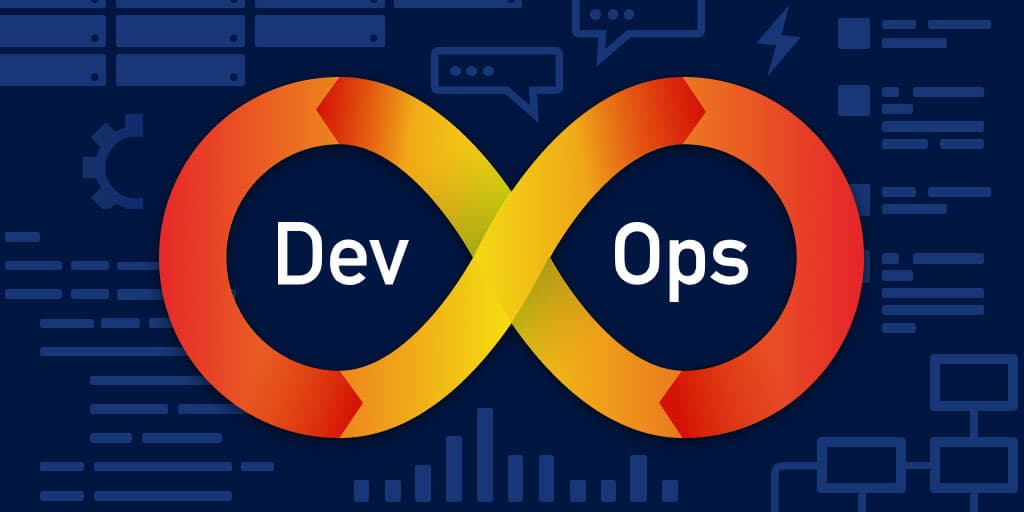
Definition and principles of DevOps
- The DevOps lifecycle
- Benefits of DevOps
02Linux Basics
Software & Operating Systems
- Working with Linux
- Linux Basic Commands
- Linux Editors vi, nano
- Linux Shell Scripting
03Version Control System
Overview of Version Control systems
- Introduction to Git
- Git workflow
- Git Commands
- Branching and Merging, Stashing, Rebasing, Reverting and Resetting
- Introduction to GitHub
- Using Git and GitHub together
04Cloud & AWS
Cloud Computing
- Cloud Computing Models
- Service Model & Deployment Model
- Service Model: SAAS, PAAS & IAAS
- Advantages of Cloud
- What is Amazon
- What is Amazon Web Services
- Communicate with AWS Services
- Amazon EC2 Features & Hands-on
- Amazon S3 Features & Hands-on
05Jenkins
Overview of Continuous Integration
- Overview of Jenkins
- Jenkins architecture
- Installing and Configuring Jenkins
- Jenkins Management
- Creating a build using Jenkins
- Integrating with Jenkins
- Working with Jenkins Pipelines
06Docker
Introduction to containerization
- Installing and configuring Docker
- Docker Lifecycle
- Docker Engine, Docker Client, Docker Daemon, Containers
- Download & Install Docker on Linux and Windows
- Launch Linux & Windows Containers
- Dockerfile
- Docker Volumes
- Docker Compose
- Microservices
- Docker Swarm – Container Orchestration
- Building Docker images
- Managing containers
- Docker Compose for multi-container applications
07Kubernetes
Basics of Kubernetes container orchestration
- Differences between Docker Swarm and Kubernetes
- Kubernetes Architecture
- Installing Kubernetes
- Creating Pods and Deployments
- Working with Jobs
- Using Replica Sets & Rolling Updates
- Scheduling the applications on the container
- Services in Kubernetes
08Ansible
Introduction to configuration management
- Setting up Ansible
- Writing playbooks and roles
- Managing inventory and hosts
- Automation of application deployment
09Terraform
Infrastructure as Code (IaC) concepts
- Installing and configuring Terraform
- Writing and applying Terraform configurations
- Managing cloud infrastructure (AWS, Azure, etc.)
- State management and modules
10Monitoring and Logging
Introduction to monitoring Kubernetes applications
- Tools for logging and monitoring (Prometheus, Grafana)
- Setting up alerts
11Security Best Practices
Securing Docker containers
- Best practices for securing Jenkins and Docker
12Automation and Scripting
Scripting basics (Python, Bash)
- Automating tasks in the DevOps pipeline
- Custom scripts for deployment and monitoring
13Case Studies and Best Practices
Real-world DevOps implementations
- Common challenges and solutions
- Industry trends and future of DevOps
14Projects
Jenkins, Docker and Nginx use automation project
- Jenkins with SonarQube Integration
- Automated Deployment for real-time project
- Sample project automation by using DevOps tools (GIT, Node, Jenkins, & Docker)
Projects you will build
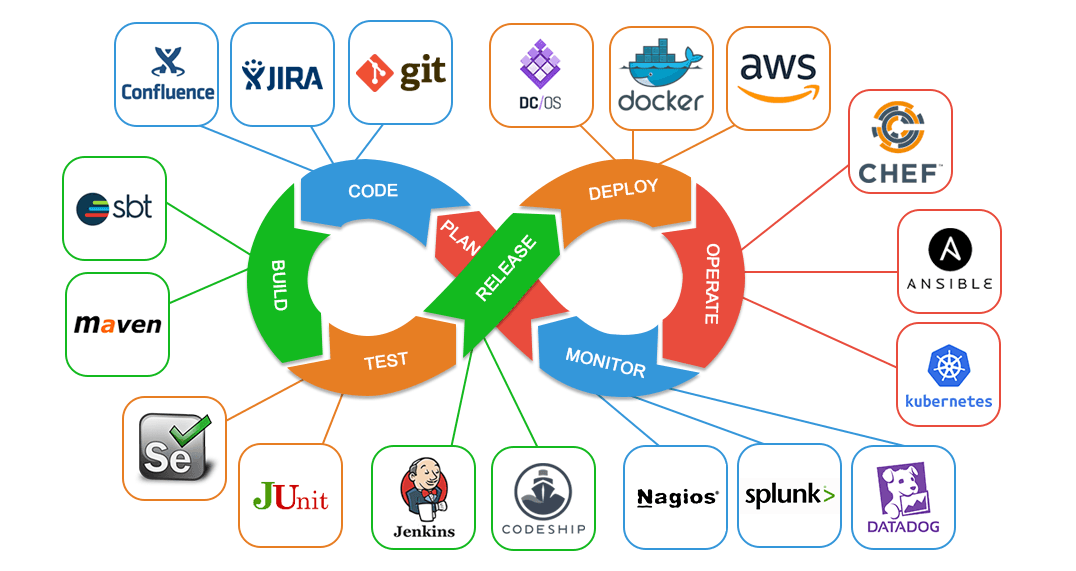
01Sample project automation by using DevOps tools (GIT, Node, Jenkins, & Docker)
Career paths
- DevOps Engineer
- Cloud Engineer
- Site Reliability Engineer (SRE)
- Automation Engineer
- Infrastructure Engineer

Frequently asked
The course is suitable for developers, system admins, testers, IT professionals, and anyone interested in DevOps practices.
No prior DevOps experience is required, but basic knowledge of software development or IT infrastructure is helpful.
Yes, the course includes practical labs and real-world projects to help you apply DevOps tools and techniques.
Both online and offline modes are available, depending on your preference.